
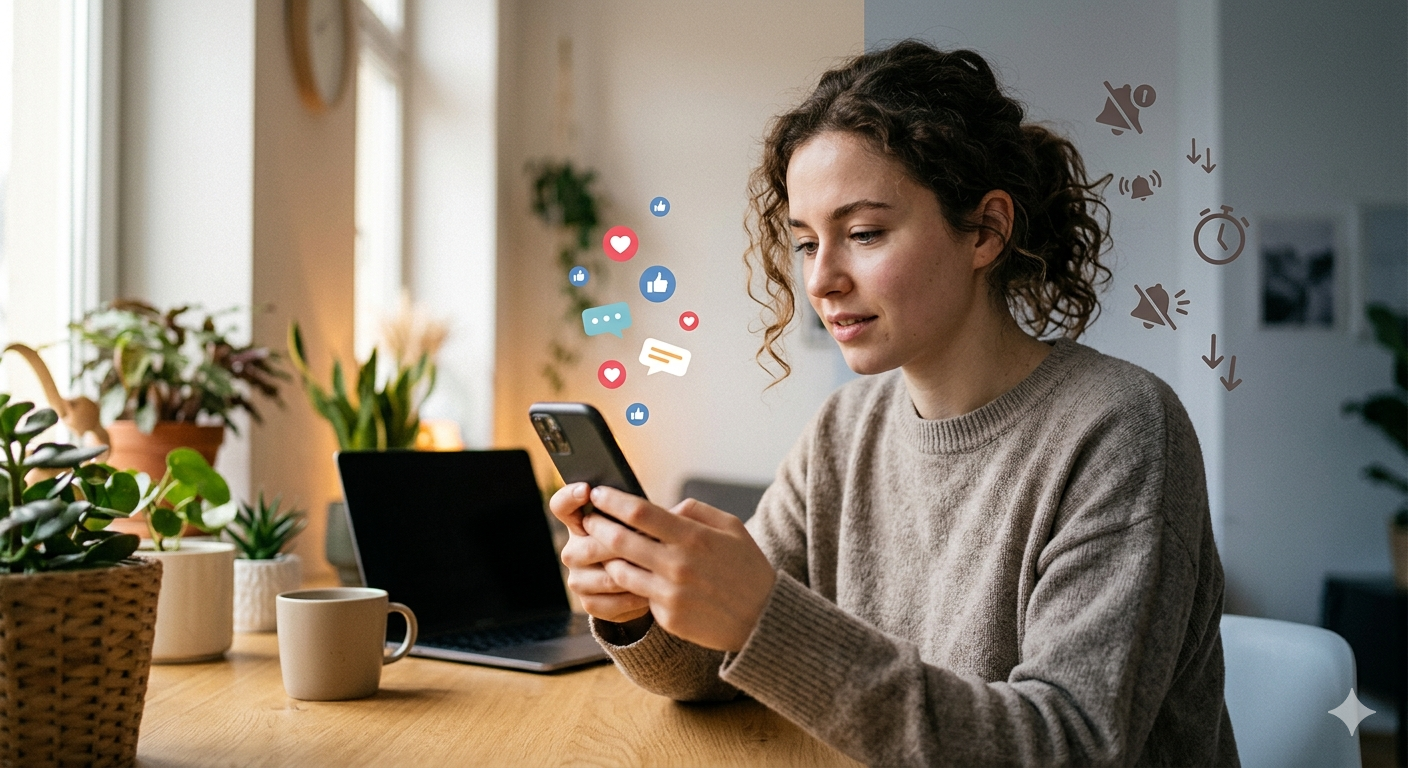
How Can Social Media Influence Mental Health?
Social media has become an essential part of modern life. Platforms such as Instagram, Facebook, X (formerly Twitter), TikTok, Snapchat, and LinkedIn allow people to connect, share experiences, and access information instantly. With billions of users worldwide, social media has transformed how we communicate and interact with others.
However, while social media offers many benefits, it also raises concerns about its impact on mental health. Researchers, parents, educators, and healthcare professionals continue to study how social media affects emotions, self-esteem, relationships, and overall well-being.
So, how can social media influence mental health? The answer includes both positive and negative effects. Understanding these influences can help people use social media in a healthier and more balanced way.
The Growing Role of Social Media in Daily Life
Over the past decade, social media usage has increased dramatically. People use social platforms for various purposes, including:
- Staying connected with friends and family
- Sharing photos and videos
- Following news and current events
- Learning new skills
- Building professional networks
- Entertainment and relaxation
Because social media is available 24/7 through smartphones and computers, it has become deeply integrated into daily routines. While this constant connectivity offers convenience, it can also affect mental health in significant ways.
Positive Effects of Social Media on Mental Health
Although social media often receives criticism, it can provide several mental health benefits when used responsibly.
1. Strengthening Social Connections
One of the greatest advantages of social media is its ability to connect people regardless of distance. Friends and family members can stay in touch even when they live in different cities or countries.
Strong social connections are important for emotional well-being because they help reduce feelings of loneliness and isolation.
2. Access to Support Communities
Many people find comfort in online communities that focus on shared interests, experiences, or challenges.
For example, individuals dealing with:
- Anxiety
- Depression
- Chronic illnesses
- Academic stress
- Career challenges
can connect with others who understand their experiences. These communities often provide encouragement, advice, and emotional support.
Negative Effects of Social Media on Mental Health
Despite its benefits, excessive or unhealthy social media use can negatively affect mental health.
1. Comparison and Low Self-Esteem
One of the most common issues associated with social media is comparison.
People often share the best moments of their lives, including:
- Vacations
- Achievements
- Relationships
- Fitness progress
- Expensive purchases
When users constantly compare themselves to these carefully selected highlights, they may feel inadequate or dissatisfied with their own lives.
This can contribute to:
- Low self-esteem
- Negative self-image
- Feelings of failure
It’s important to remember that social media often shows only a small portion of reality.
2. Anxiety and Stress
Many people feel pressure to maintain an active online presence. They may worry about:
- Gaining followers
- Receiving likes
- Responding to messages
- Posting engaging content
This pressure can create stress and anxiety, especially among teenagers and young adults.
Constant notifications and online interactions may also make it difficult for individuals to relax and disconnect from digital environments.
The Future of Social Media and Mental Health
As awareness of mental health grows, social media companies are introducing features designed to support user well-being.
These efforts include:
- Screen time tracking tools
- Content moderation systems
- Mental health resources
- Privacy controls
- Anti-bullying features
Future platforms may continue to prioritize healthier user experiences while balancing engagement and digital well-being.
Conclusion
Social media has become a powerful part of modern life, influencing how people communicate, learn, and interact. Its impact on mental health can be both positive and negative.
On one hand, social media can strengthen relationships, provide support communities, encourage creativity, and increase access to valuable information. On the other hand, excessive use may contribute to anxiety, low self-esteem, sleep problems, cyberbullying, and unhealthy comparisons.
The key is not to avoid social media entirely but to use it responsibly and mindfully. By setting healthy boundaries, focusing on positive content, and maintaining real-world connections, individuals can enjoy the benefits of social media while protecting their mental well-being.
As technology continues to evolve, developing healthy digital habits will become increasingly important for maintaining a balanced and fulfilling life.