Artificial Intelligence (AI): Transforming the Future

Introduction
Artificial Intelligence (AI) is one of the most revolutionary technologies of the 21st century. It enables machines and computer systems to perform tasks that typically require human intelligence, such as learning, problem-solving, decision-making, and understanding language. From smartphones and virtual assistants to self-driving cars and advanced healthcare systems, AI is becoming an essential part of our daily lives.
What is Artificial Intelligence?
Artificial Intelligence refers to the simulation of human intelligence in machines. These machines are designed to analyze data, recognize patterns, learn from experiences, and make decisions with minimal human intervention. AI systems use technologies such as Machine Learning (ML), Deep Learning, Natural Language Processing (NLP), and Computer Vision to perform complex tasks efficiently.
Types of Artificial Intelligence
1. Narrow AI
Narrow AI is designed to perform specific tasks. Examples include voice assistants like Siri, recommendation systems on Netflix, and chatbots used in customer support.
2. General AI
General AI is a theoretical concept where machines can perform any intellectual task that a human can do. While researchers are making progress, true General AI has not yet been achieved.
3. Super AI
Super AI refers to a future stage where AI surpasses human intelligence in all aspects. This remains a topic of research and discussion.
Benefits of Artificial Intelligence
Improved Efficiency
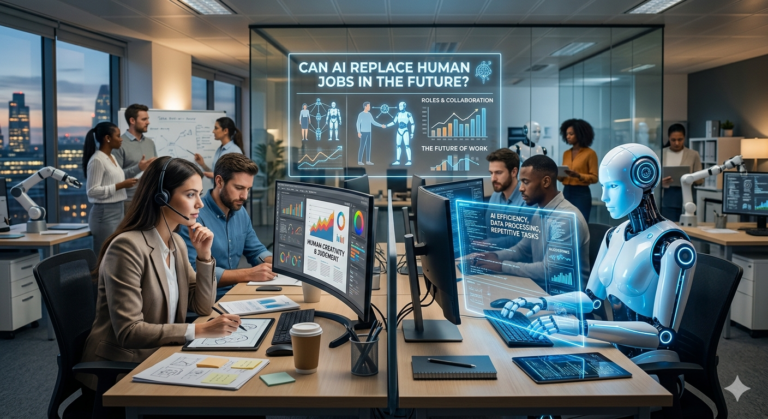
AI can automate repetitive tasks, reducing human effort and increasing productivity.
Better Decision-Making
AI analyzes large amounts of data quickly, helping businesses and organizations make informed decisions.
Enhanced Customer Experience
Chatbots and virtual assistants provide instant support and personalized recommendations.
Healthcare Advancements
AI assists doctors in diagnosing diseases, analyzing medical images, and developing treatment plans.
Innovation and Growth
AI drives innovation across industries, creating new opportunities and improving existing processes.
Applications of AI
- Applications of AI
- Healthcare and Medical Diagnosis
- Education and Online Learning
- Banking and Financial Services
- E-commerce and Online Shopping
- Transportation and Self-Driving Vehicles
- Cybersecurity and Fraud Detection
- Content Creation and Digital Marketing
Conclusion
Artificial Intelligence is reshaping the world by enhancing productivity, improving decision-making, and driving innovation. While challenges exist, the potential benefits of AI far outweigh the risks when developed responsibly. As we move forward, AI will continue to play a crucial role in shaping the future of technology and society.